The homeland
Strandzha
Rosenovo, Sredets municipality, Burgas Province
The mountain of fire-dancers, bagpipes and ancient forests, where Kostadin and Ivan Varimezov come from.
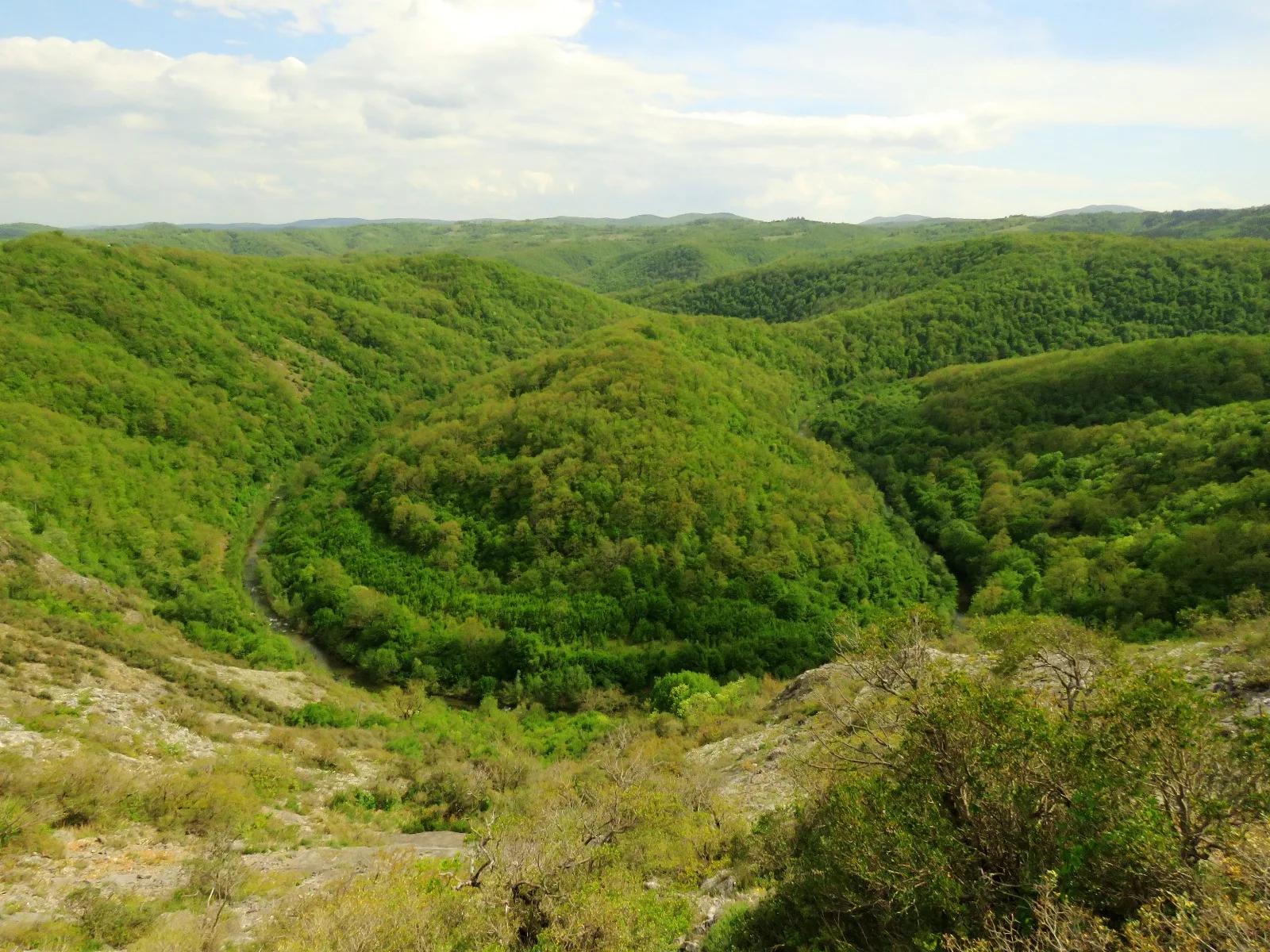
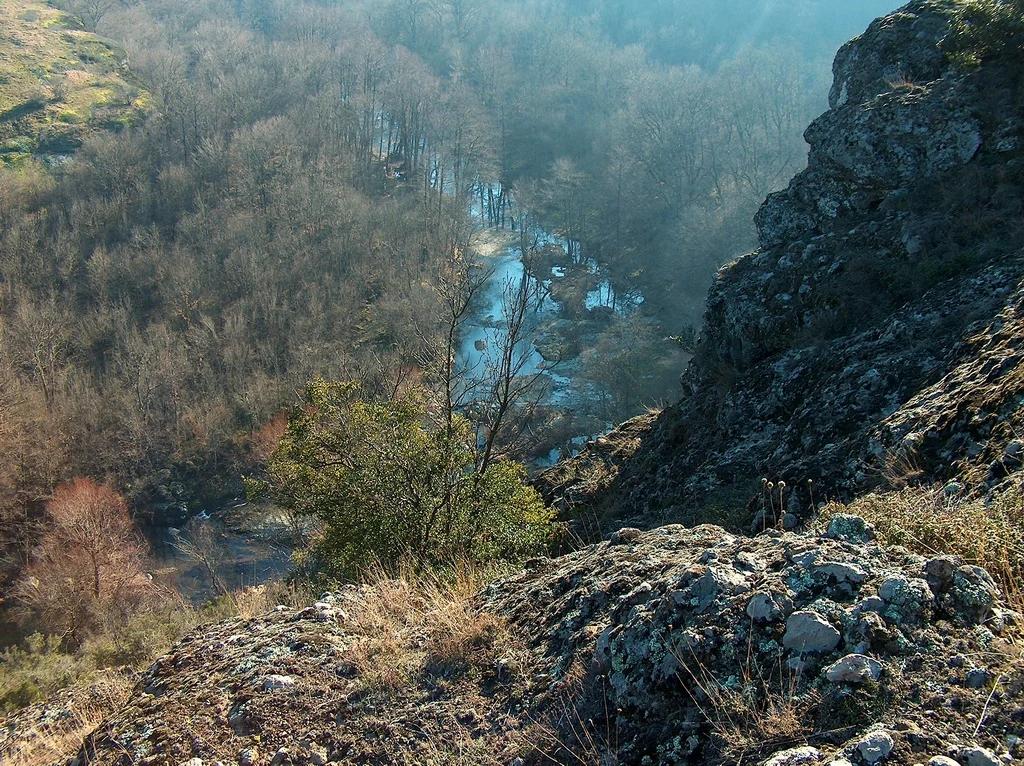
Meanders of the Veleka, StrandzhaABesheva, CC BY-SA 4.0
The mountain
Forest, rivers and sea
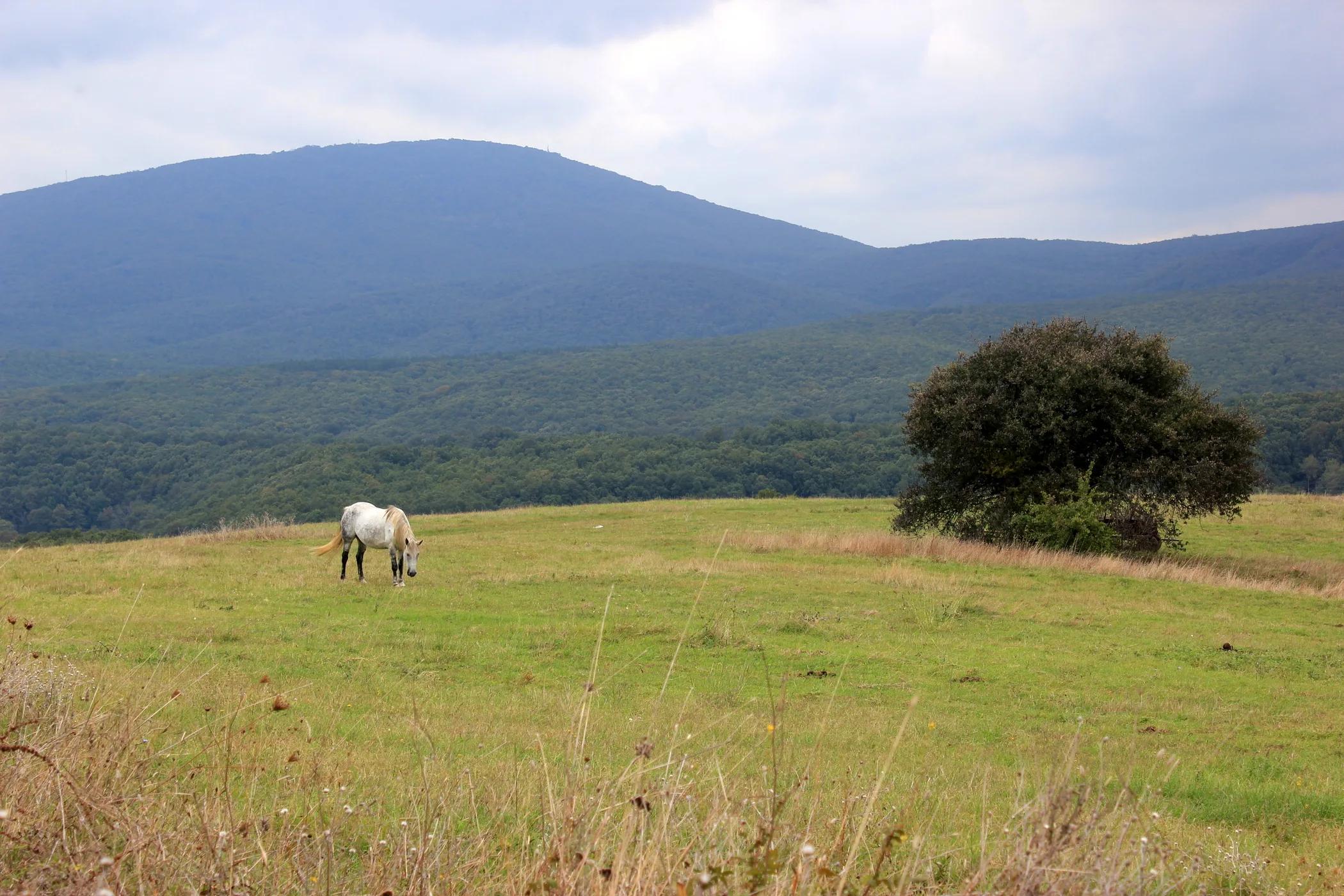
Strandzha stretches across south-eastern Bulgaria and the European part of Turkey, down to the Black Sea coast. Its Bulgarian side is the Strandzha Nature Park, the largest protected area in the country.
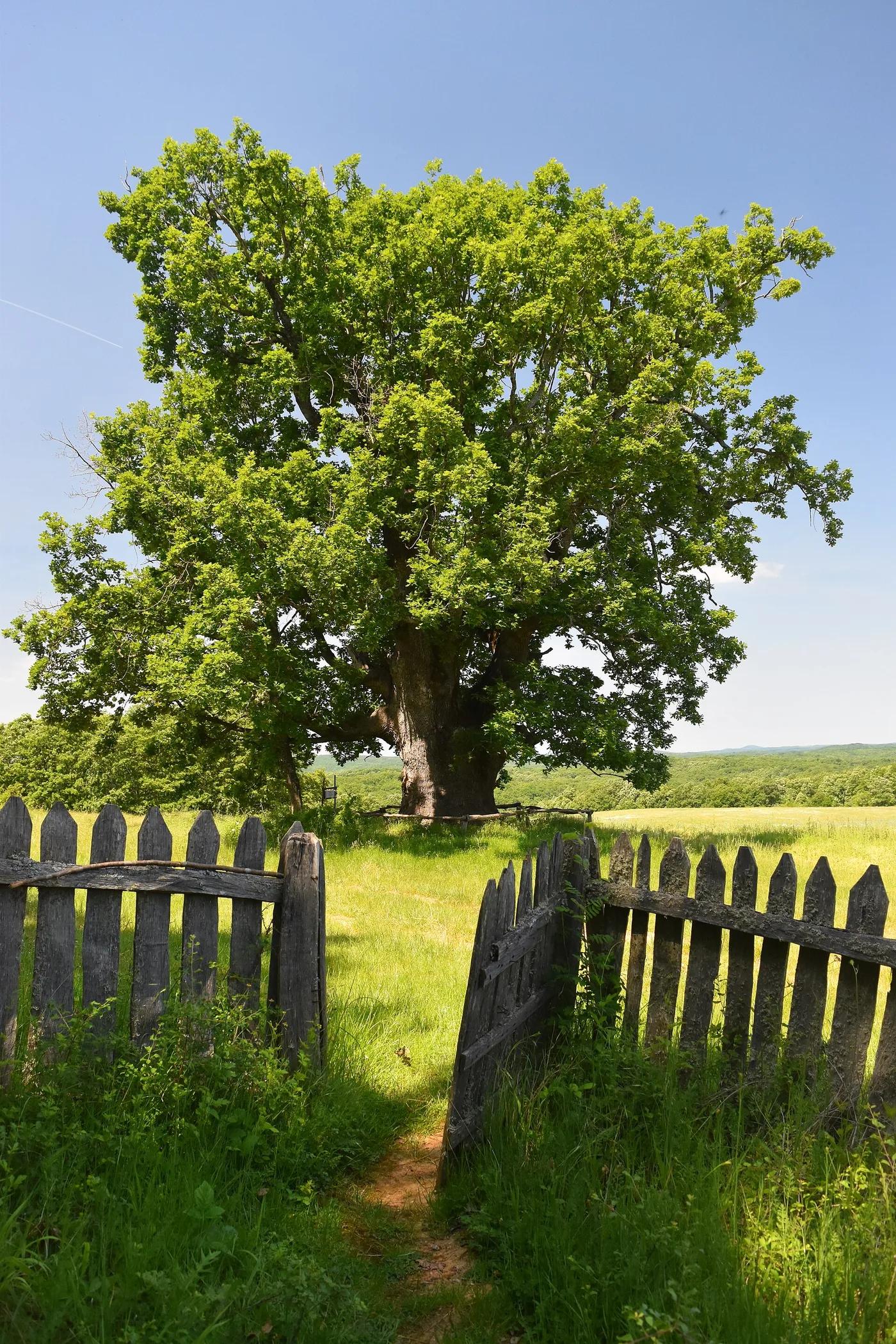
Old beech and oak forests cover the hills, with the evergreen Strandzha rhododendron beneath them. The Veleka and Rezovska rivers wind between the hills before they reach the sea.
Rosenovo
The village of musicians
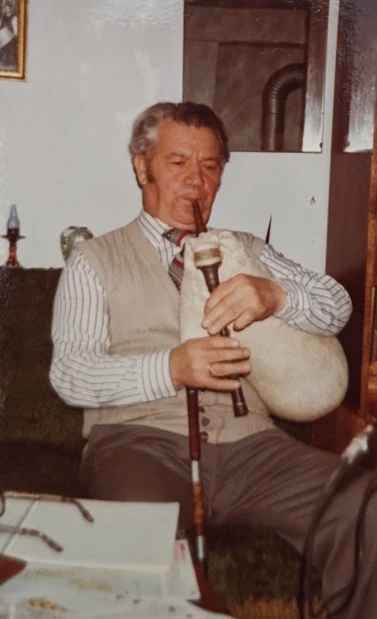
Rosenovo is a village in Sredets municipality, on the Bulgarian side of Strandzha. Kostadin Varimezov was born here on 21 December 1918, and his son Ivan on 29 July 1942.
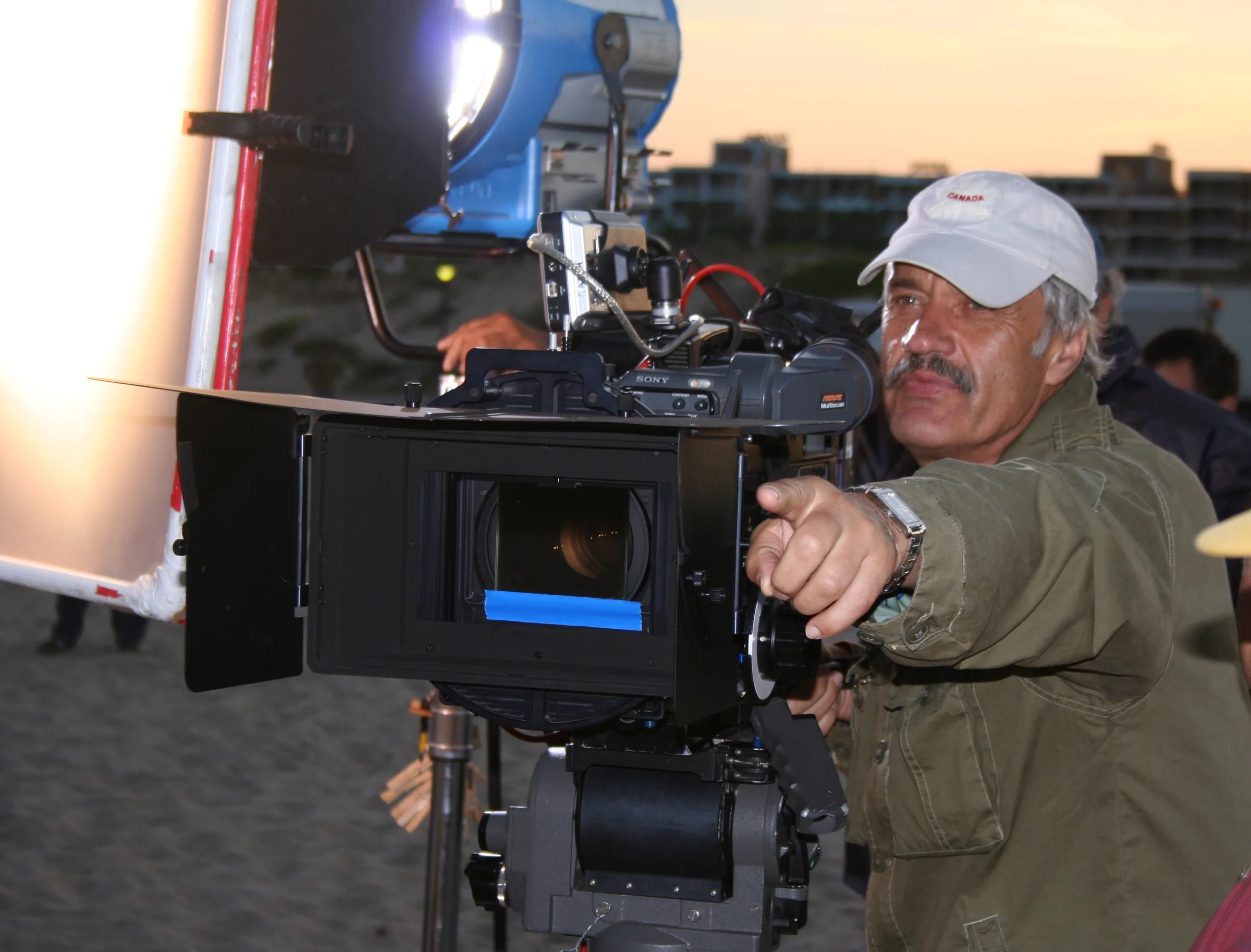
Kostadin’s family came from the Lozengrad region, across today’s border. His father played the kaval and his mother sang. From that house the music of Strandzha travelled to the radio, to stages in 18 countries and to lecture halls in Toronto — and its light found its way into cinema.
The fire-dancers
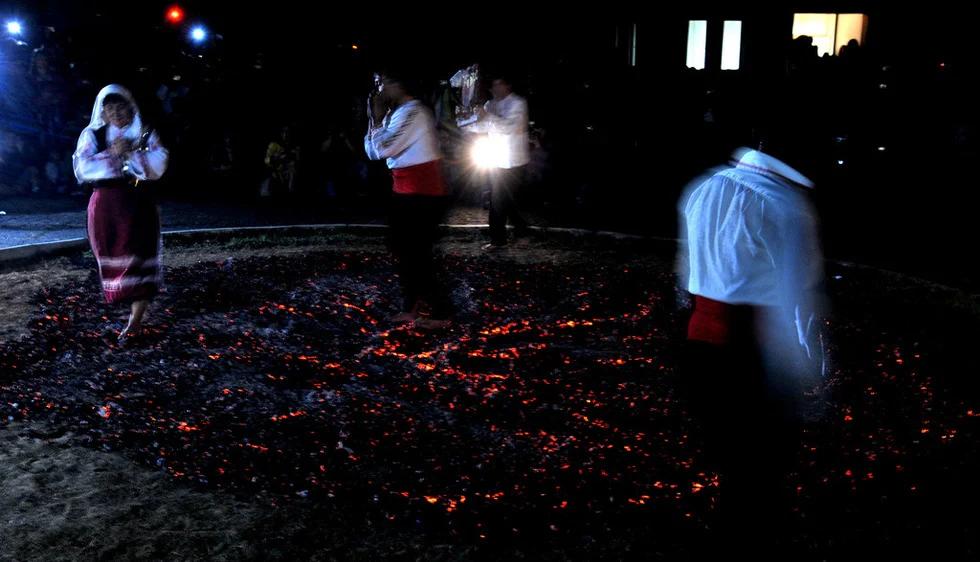
Dancing on embers
On the evening of the feast of Saints Constantine and Helena, the nestinari fall into a trance and dance barefoot on glowing embers, holding the saints’ icons, to the sound of the gaida and the tapan drum.
In 2009 the nestinari tradition of the village of Bulgari was inscribed on UNESCO’s Representative List of the Intangible Cultural Heritage of Humanity. Some scholars trace it to ancient Thracian cults; others see it as a later custom. Nestinarsko horo, the fire-dancers’ tune, is among Kostadin Varimezov’s recordings in the Golden Fund of Bulgarian National Radio.
The music
The voice of Strandzha
The Strandzha folk region has a voice of its own: old songs sung at home and at village gatherings, and the dances that the gaida, kaval, gadulka and tapan lead at the fairs.
Kostadin Varimezov carried this music from Rosenovo to Bulgarian National Radio, and with the Strandzha Group he toured the fairs and singing contests, gathering tunes from all over the region.
Thracian heritage
The land of the Thracians
Strandzha was part of ancient Thrace. Thracian sanctuaries, tombs and dolmens survive in the mountain; among the best known are Beglik Tash near Primorsko and Mishkova Niva near Malko Tarnovo.
Thracian beliefs
Dionysus
Wine, ecstasy and renewal
Worshipped by the Thracians with night-time mysteries, music and dance.
Orpheus
The singer
The legendary Thracian singer whose music charmed people, animals and stones.
Bendis
The hunt and the moon
The Thracian goddess of the hunt, the moon and the wild.
Zalmoxis
Immortality
According to Herodotus, a teacher of the Getae who taught them to believe in immortality.
Photographs
Strandzha landscapes
Meanders of the Veleka, Strandzha — ABesheva The ancient oak at Paroria, Strandzha — Todor Bozhinov Strandzha, between Tsarevo and Malko Tarnovo — Julian Nyča Nestinari in the village of Bulgari, Strandzha — Apokalipto Strandzha — SpaceControl A stream in Strandzha — SpaceControl The fire dance — Artkostov